
TRUSTED INSIGHT FOR COMMUNITY LEADERS
Helping Communities Thrive!
Community Advisory Group provides independent field insight, clear documentation, and thoughtful reporting to help CDD and HOA boards make informed decisions about the communities they serve.
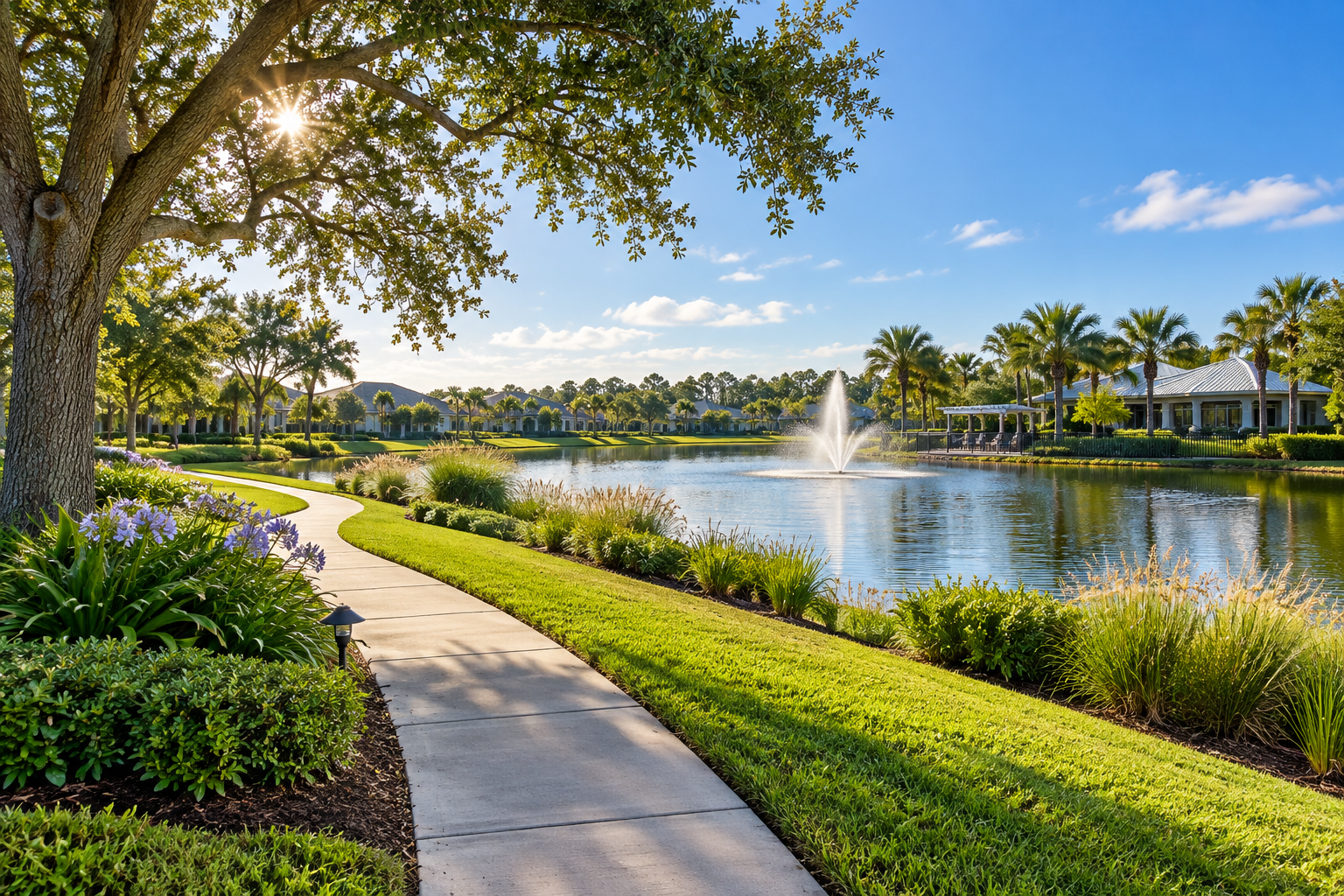
Serving CDD and HOA boards in the greater Tampa Bay area.
TRUSTED INSIGHT. INFORMED DECISIONS.
Better decisions start with a clearer picture.
CDD and HOA board members make decisions about landscaping, amenities, infrastructure, maintenance, and community resources—but conditions continue to change between meetings.
Community Advisory Group provides consistent field insight, clear documentation, and thoughtful follow-up to help boards and management teams stay informed about conditions throughout the community.
The result: a clearer picture, better continuity, and trusted information that helps community leaders make informed decisions with confidence.
50,000+
Community associations in Florida, second only to California.
9.5 million
Floridians call a community association home.
1,000+
Community Development Districts statewide, up more than 50% since 2020.
CONSISTENT COMMUNITY VISIBILITY
A clearer picture of your community. Every month.
Each community review creates a documented record of conditions throughout the property, giving board members and management teams a consistent way to identify developing concerns, maintain continuity on unresolved items, and understand how conditions change over time.
-
A systematic on-site review of community common areas, amenities, infrastructure, and other observable conditions to identify items that may warrant attention or follow-up.
-
Clear photographs paired with locations and concise observations provide visual context and help board members and management teams understand documented conditions.
-
Previously identified items remain visible from month to month, helping boards and management teams maintain continuity, recognize recurring concerns, and follow changes through resolution.
-
Field observations are organized into a clear, professional report that gives board members and management teams an easy way to understand current conditions, items requiring attention, and follow-up from previous reviews.
COMMUNITY-WIDE VISIBILITY
A more complete picture of your community.
Community conditions are often connected. Landscape health can reveal irrigation concerns. Drainage conditions can affect turf and common areas. Amenities, infrastructure, and natural areas can develop concerns between meetings. CAG brings these observations together to give boards and management teams a clearer, more complete understanding of conditions throughout the community.
Landscape & Grounds
Evaluate overall landscape condition, including turf health and fertility, ornamental plantings, weeds, pruning, mulch, and visible signs of pest pressure, disease, or fungal activity. Irrigation-related symptoms and recurring maintenance concerns are identified for board and vendor follow-up.
Stormwater, Wetlands & Conservation Areas
Monitor visible conditions involving ponds, swales, drainage areas, shorelines, erosion, wetlands, conservation areas, and associated buffers or setbacks. Where applicable, CAG can observe for potential encroachments such as unauthorized clearing, mowing, fill, fencing, structures, landscaping, or expansion of residential yards into protected areas and identify concerns for board review and appropriate regulatory follow-up.
Service & Scope Verification
When requested, CAG can reference client-provided maintenance agreements and scopes of work while conducting field inspections, helping boards understand whether observable conditions appear consistent with defined service expectations. Recurring requirements—such as fertilization applications, mowing frequencies, pruning cycles, mulch installation, pest-control treatments, and other scheduled services—can also be tracked as part of the community's inspection record.
Amenities & Common Areas
Review the condition of parks, trails, sidewalks, signage, fencing, entry features, community furnishings, and other common-area assets, identifying maintenance needs, deterioration, damage, and items requiring follow-up.
Irrigation Observations
Identify visible irrigation concerns such as overspray, runoff, dry areas, broken or damaged components, apparent coverage deficiencies, excessive watering, and other conditions affecting landscape health, appearance, or water use. Periodic spot checks of irrigation controllers can also be performed to verify programmed watering days, start times, and run times, with particular attention to compliance with applicable watering restrictions.
Playgrounds & Recreation Areas
General condition observations of playgrounds, recreation areas, and associated community assets, with potential safety or maintenance concerns documented for appropriate follow-up.
CONSISTENCY CREATES CONTINUITY
Issues shouldn't disappear between meetings.
Community conditions change continuously, but board meetings may occur only once a month. Without consistent field observations and follow-up, concerns can be reported, discussed, and then lost as attention moves to the next issue.
CAG creates continuity between inspections by maintaining a documented history of what was observed, what remains open, what has changed, and what appears to have been resolved.
NEW
Newly observed conditions requiring awareness or follow-up.
STILL OPEN
Previously reported items that remain unresolved, including conditions that have returned.
RESOLVED
Items that appear to have been corrected or no longer require active follow-up.
EXPERIENCE BEHIND THE INSPECTION
Field observations are only as useful as the experience behind them.
Community Advisory Group combines hands-on community field inspection experience with professional training in landscape management, Florida-Friendly practices, fertilizer best management practices, and playground safety.
CAG's approach is practical: understand what should be happening in the field, recognize conditions that deserve attention, document them clearly, and give boards and management useful information for follow-up.
Certified Playground Safety Inspector (CPSI)
Florida-Friendly Landscaping™ Certified Professional (FFLCP)
Green Industries Best Management Practices (GI-BMP)
Florida Limited Urban Commercial Fertilizer Applicator
Community Field Inspection & Landscape Management Experience
“I spent years doing field inspections for community boards before starting CAG, and I saw firsthand how much can slip between meetings. That experience is what CAG is built on.”
CAG complements community management—it doesn't replace it.
We provide boards and their management teams with consistent field observations, photographs, issue tracking, and follow-up information — keeping everyone in the loop between meetings and helping important issues stay on track through resolution.
FLORIDA LAW · HOA BOARDS
Directors are expected to be informed.
New Florida HOA directors must complete board education within 90 days of taking office, plus 4 to 8 hours of continuing education every year, depending on the size of the community.
BOARD — Makes decisions
MANAGEMENT — Coordinates operations
CAG — Supports both with trusted field insight
FLORIDA LAW · CDD BOARDS
Supervisors are held to public standards.
CDD supervisors must complete 4 hours of ethics training each year, covering ethics, public records, and open meetings. Districts must also set measurable goals for their programs and publish their results by December 1 each year.
HOW CAG HELPS
Clear, reliable information for both boards.
Consistent, documented field reviews give HOA directors and CDD supervisors a dependable record of community conditions, so boards can make informed decisions, follow items through to resolution, and show how their community is being cared for.
LET'S TAKE A CLOSER LOOK
Help your board stay ahead of what’s happening between meetings.
Every community is different. CAG will learn about your property, existing management structure, common-area assets, current inspection practices, and the issues your board wants a closer look at. From there, we'll recommend a field inspection and reporting approach tailored to your community.