
CAG provides independent field observations, documentation, issue tracking, and follow-up information, helping CDD and HOA boards stay informed between meetings.
Trusted Insight From the Field
CONSISTENT VISIBILITY
From field observation to board-ready information
CAG follows a consistent field review process designed to document conditions, maintain issue history, and give boards useful information for follow-up and decision-making.
OBSERVE
Conduct a systematic field review of community assets and conditions, documenting items that warrant attention.
DOCUMENT
Capture photographs, locations, observations, and relevant details to create a clear record of observed conditions.
TRACK
Carry unresolved items forward, note recurring conditions, and document apparent corrections or changes over time.
REPORT
Organize findings into clear, board-ready reporting that helps boards and management teams understand what requires attention.
COMMUNITY-WIDE VISIBILITY
Landscape & Grounds
CAG reviews and documents observable landscape conditions throughout community common areas, including turf, ornamental plantings, trees, mulch, weeds, pruning, and general maintenance conditions.
Field observations may include:
Turf health and fertility • weed pressure • plant decline • pruning concerns • mulch conditions • visible pest or disease symptoms • recurring maintenance concerns • irrigation-related landscape symptoms
Stormwater, Wetlands & Conservation Areas
CAG documents observable conditions involving community stormwater features, wetlands, conservation areas, shorelines, and associated buffers to help boards maintain visibility into areas that can otherwise receive limited day-to-day attention.
Field observations may include:
Pond and shoreline conditions • erosion • drainage concerns • swales and conveyance areas • vegetation conditions • buffer and setback concerns • apparent encroachments • unauthorized clearing or mowing • fencing, structures, landscaping, or other improvements extending into protected areas
Vendor Service & Scope Verification
CAG can reference client-provided maintenance agreements, scopes of work, and recurring service requirements while conducting field observations, helping boards maintain visibility into whether observable conditions appear consistent with defined service expectations.
Field observations may include:
Mowing and landscape maintenance • pruning cycles • fertilization and treatment schedules • mulch installation • recurring service requirements • observable completion of scheduled work • conditions inconsistent with defined service expectations • follow-up on previously documented concerns
Irrigation Observations
CAG looks beyond whether the landscape simply appears watered. Field observations can help identify conditions that may affect landscape health, water use, and community operating costs.
Field observations may include:
Overspray and runoff • dry or stressed areas • damaged components • apparent coverage deficiencies • excessive watering • controller settings • watering schedules • meter activity • indications of leaks or line breaks
Amenities & Common Areas
CAG reviews the observable condition of community amenities and common-area assets to help identify maintenance needs, deterioration, damage, and items requiring follow-up.
Field observations may include:
Parks and gathering areas • trails and sidewalks • signage • fencing and gates • entry features • community furnishings • lighting concerns • visible damage or deterioration • cleanliness and general maintenance conditions
Playgrounds & Recreation Areas
CAG documents general conditions throughout playgrounds, recreation areas, and associated community assets, helping boards maintain visibility into potential safety, maintenance, and deterioration concerns requiring appropriate follow-up.
Field observations may include:
Playground equipment conditions • surfacing conditions • visible damage or deterioration • fencing and gates • benches and furnishings • recreation-area conditions • cleanliness • apparent maintenance concerns • items warranting further evaluation
FLORIDA CONTEXT
Why consistent visibility matters here.
Florida communities operate under water restrictions, permitted stormwater systems, and protected conservation areas. Here is some of what boards are responsible for, and where CAG helps.
WATER STEWARDSHIP
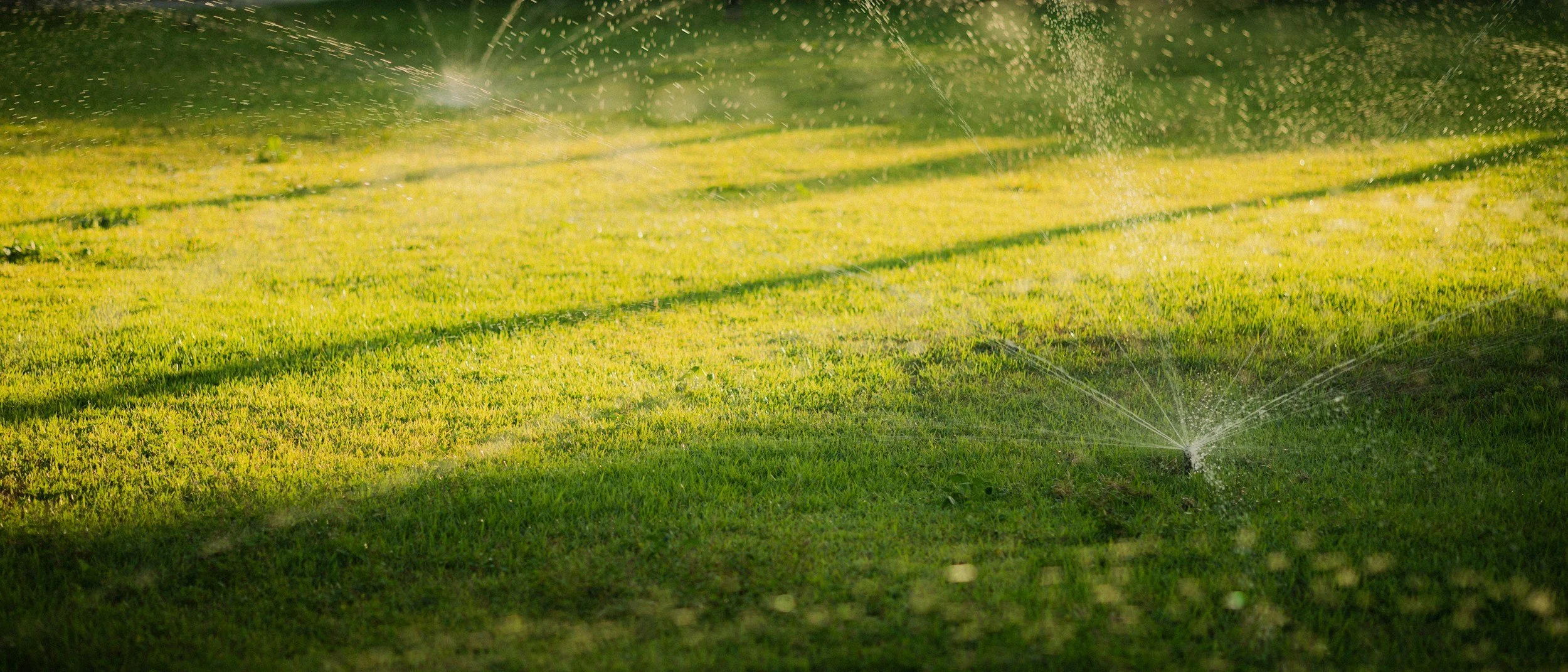
Tampa Bay communities regularly face watering restrictions.
The Southwest Florida Water Management District has repeatedly issued water shortage orders for Hillsborough, Pasco, Pinellas, Polk, and Manatee counties, at times limiting lawn irrigation not only to one day per week, but also to specific allowable hours on that day. HOA documents also can’t prohibit Florida-friendly landscaping or conflict with those orders.
How CAG helps: We note visible irrigation activity and conditions during each review, so boards can follow up with their landscape and irrigation vendors.
STORMWATER SYSTEMS
Ponds are permitted infrastructure, not just landscape.
Once a stormwater permit moves into its operation and maintenance phase, the designated operation and maintenance entity, often the HOA or CDD, is responsible for inspecting the system and must report failures or permit deviations within 30 days.
How CAG helps: Month-to-month photo documentation of visible pond, bank, and swale conditions gives boards and their engineers a consistent record to work from. It supports, but doesn’t replace, an engineer’s inspection.
CONSERVATION AREAS
Protected for good.
Under Florida law, conservation easements are perpetual. They’re intended to keep land in its natural condition, and they generally restrict activities like clearing vegetation, dumping, and building.
How CAG helps: Conservation areas often sit right behind homes, and the boundary isn’t always obvious. Consistent documentation helps boards notice changes early and address them thoughtfully with residents.
RECORDS & PLANNING
Good records support good decisions.
Florida HOAs with 100 or more parcels must post key official records online for owners. And in one of the nation’s largest reserve-study data sets, 74% of associations were less than 70% funded for future repairs.
How CAG helps: Clear, photo-documented reports any board would be comfortable putting on the record, and month-to-month visibility that helps spot wear before it becomes an unplanned expense.
BOARD-READY REPORTING
Field observations become useful when they’re organized, documented, and easy to act on.
CAG turns field observations into clear, board-ready reporting designed to help board members and management teams quickly understand current conditions, unresolved concerns, and items requiring follow-up.
PHOTOGRAPHIC RECORD
Photos tied to specific observations help document conditions and provide visual context.
ISSUE STATUS
Items are identified and carried forward as appropriate to distinguish new, still open, and resolved items.
FOLLOW-UP HISTORY
Previously documented concerns can be revisited to show changes, corrective work, or conditions that remain unresolved.
BOARD SUMMARY
Key observations are organized so boards and management teams can quickly identify matters warranting attention or further evaluation.
“Good stewardship starts with knowing what is happening in the community, not just at the board meeting, but between meetings.”
— Dustin Heflin, Founder
Community Advisory Group
Community resources can be affected by conditions that are easy to overlook between meetings. Unexpected water use, improper irrigation settings, recurring maintenance concerns, or unresolved issues can carry real operational and financial consequences. Consistent field visibility helps bring those conditions to light while there is still an opportunity to address them.
LET’S TAKE A CLOSER LOOK
Give your board greater visibility between meetings.
Every community is different. Tell us about your property, current management structure, and the areas where your board would like greater visibility. CAG will review your needs and recommend an appropriate field inspection and reporting approach.